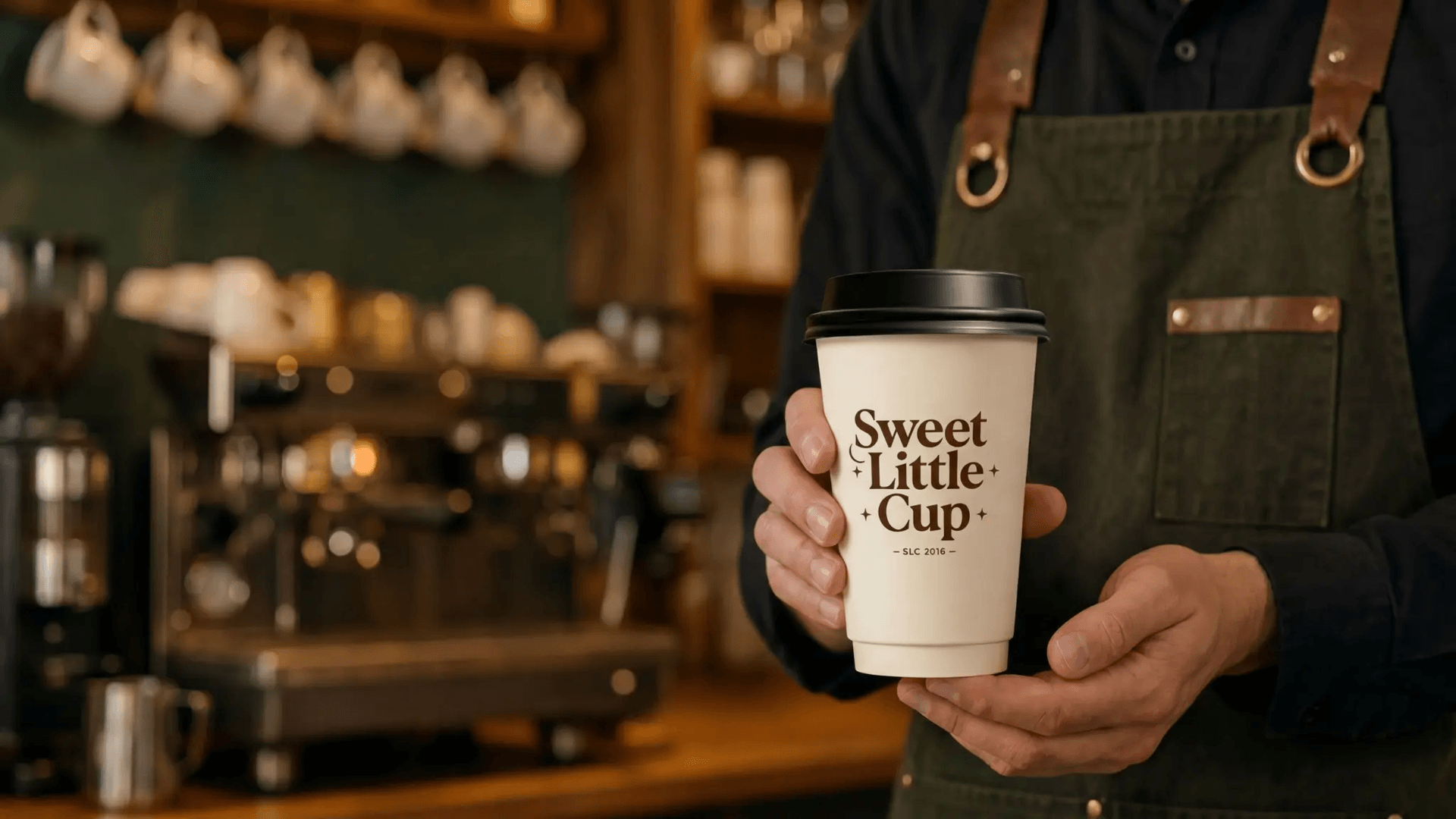
Packaging that goes
back to nature.
We supply paper cups and food containers with three coating options — aqueous water-based, PLA compostable, and PE. Our aqueous coating is backed by independent biodegradation testing and carbon lifecycle data.
Most disposable cups are not as recyclable as they look.
A standard paper cup is coated on the inside with a thin layer of polyethylene (PE) plastic. This PE film makes the cup waterproof — but it also makes the cup nearly impossible to recycle in conventional paper streams. The plastic and paper fibres fuse during manufacturing, requiring specialist separation facilities that most markets simply do not have.
The result: the vast majority of the estimated 500 billion single-use cups produced each year end up in landfill, where the PE layer prevents the paper from biodegrading for decades. Aqueous and PLA coatings were developed specifically to solve this problem.
Why aqueous coating is the future of paper cups
Water-based barrier coating replaces the PE plastic film with a thin dispersion of polymers that bonds directly to the paper fibre — no separate plastic layer, no contamination of the recycling stream.
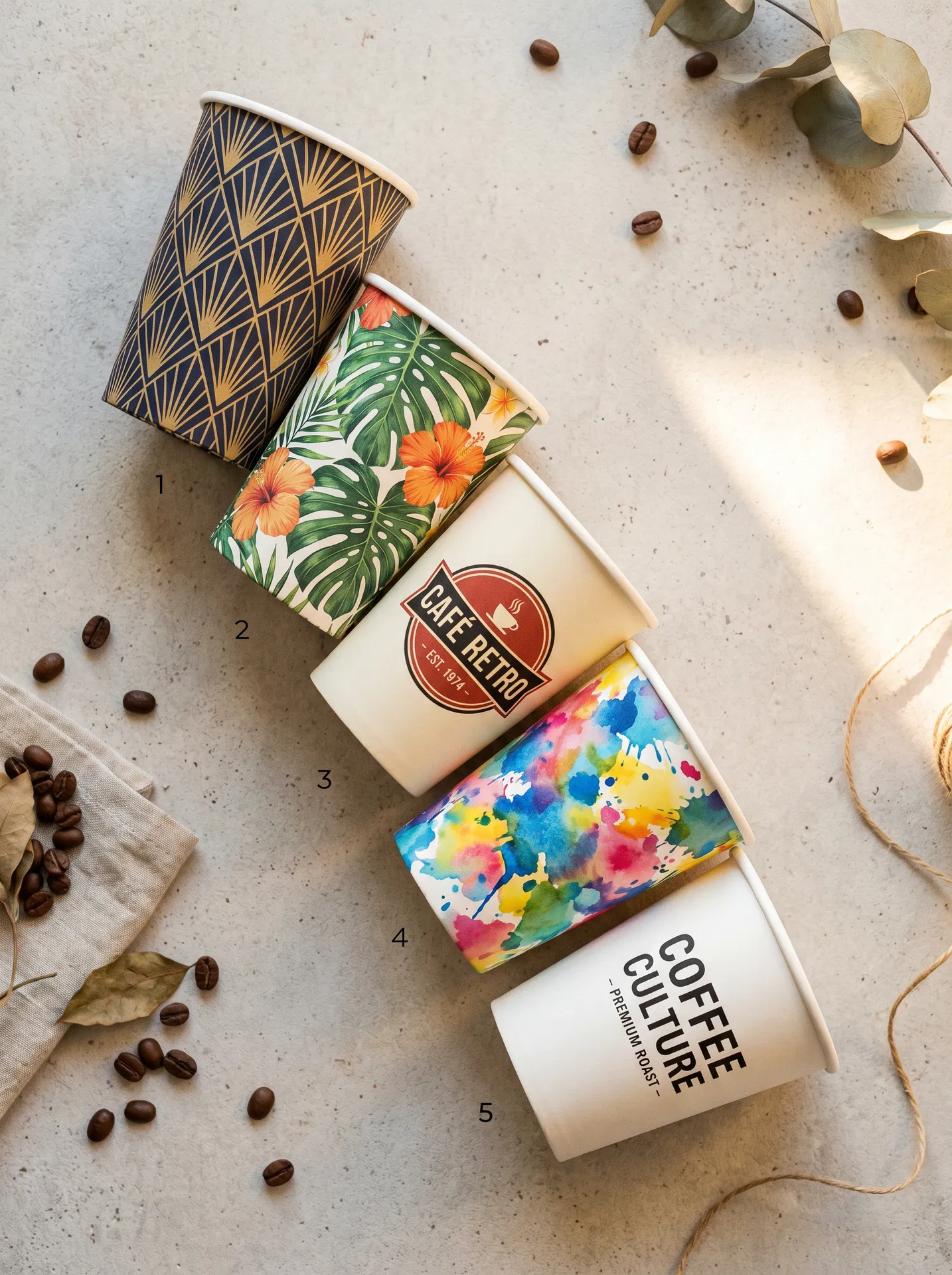
What makes aqueous coating different
Natural biodegradation: the data
Independent burial test under natural soil conditions. Same cup size, same soil environment, monitored at 85, 145, and 245 days.
Source: supplier independent testing, methodology aligned with GB/T 19277.1 natural soil burial standard.
Carbon footprint comparison
Per 1,000 units, 8 oz cup. Lifecycle analysis aligned with ISO 14067 methodology.
per 1,000 cups produced
Every ~36,000 aqueous-coated cups produced saves carbon equivalent to the annual sequestration of a mature 20-year-old tree.
Choose the right coating for your market
All three options are available from CupsPak with full custom printing. The right choice depends on your target market's waste infrastructure and sustainability requirements.
| Feature | Aqueous | PLA | PE |
|---|---|---|---|
| Biodegradable (natural soil) | ✓ 245 days | Industrial only | — |
| Home compostable | Food containers only, not cups | — | — |
| Commercially compostable (US) | ✓ BPI certified, per SKU | ✓ BPI certified, per SKU | — |
| Recyclable / repulpable | ✓ Standard stream | — | Specialist only |
| Plastic film in the barrier | None (water-based dispersion) | Yes, bioplastic film | Yes, LDPE film |
| Hot & cold compatible | ✓ | ✓ | ✓ |
| Microwaveable | ✓ | — | — |
| Relative cost vs PE | Moderate | Moderate–High | Base |
Commercial composting: typically 60 °C+, 12 weeks, in a permitted facility. Compostability certification is granted per SKU, so confirm the specific item before making a claim on pack.
For the full barrier explainer see what aqueous coating is, or go straight to the aqueous coated cup range.
PLA: plant-based and industrially compostable
PLA (Poly-lactic Acid) is a new-generation bio-based material derived from renewable plant resources — corn starch and cassava roots. Through saccharification and fermentation, starch is converted into lactic acid, then polymerised into PLA. Under specific conditions, microorganisms in nature can completely degrade PLA into carbon dioxide and water, leaving no toxic residue.
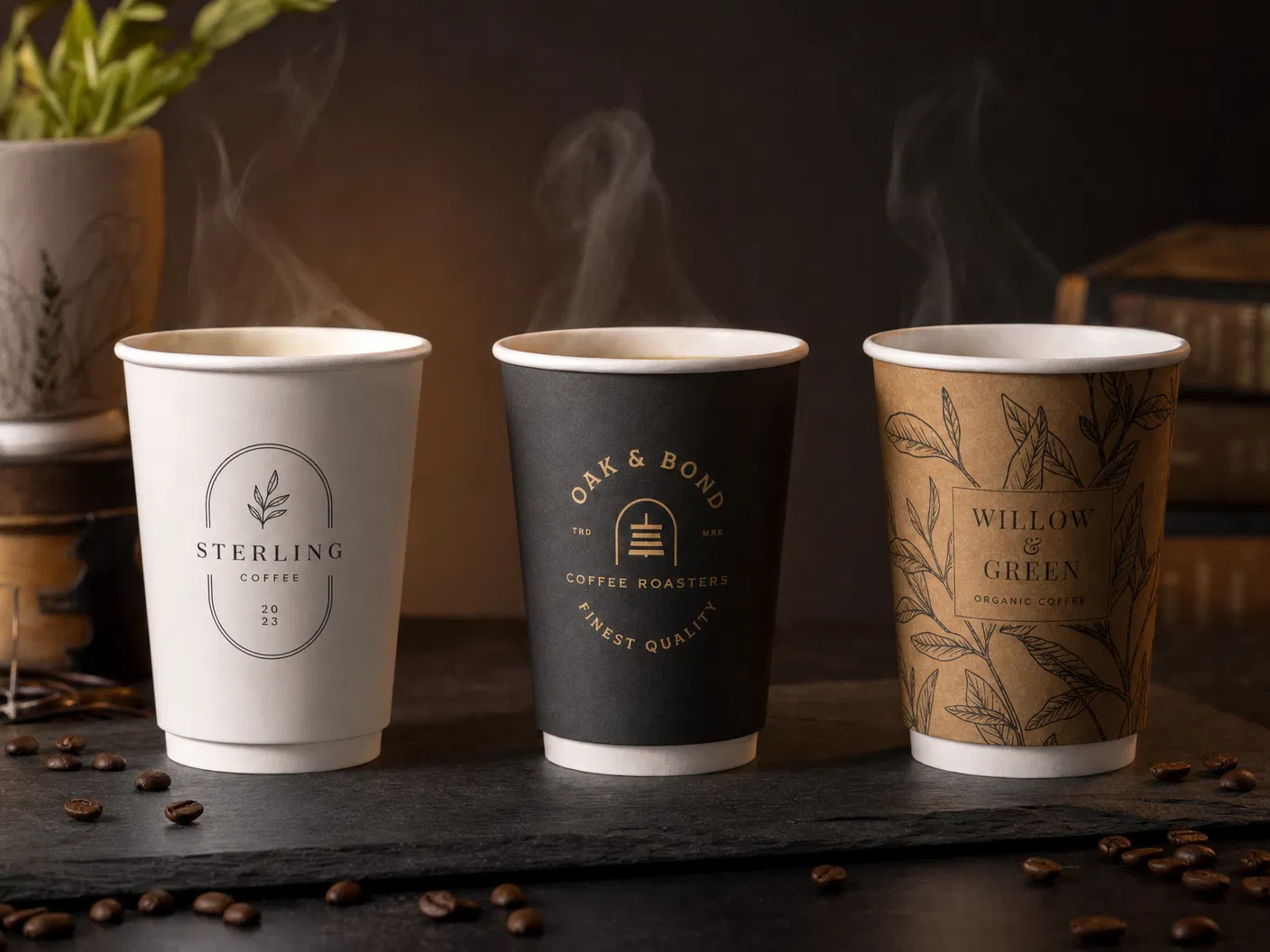
PLA-lined paper cups
Standard paper cups with the PE inner film replaced by a PLA bioplastic lining. The paper structure remains unchanged — only the barrier layer is plant-based. Suitable for hot and cold beverages, with BPI certification for commercial composting (US scheme); compostability documentation for EU programs is available on request.
- Inner lining derived from corn starch
- Industrially compostable — ~12 weeks at 60 °C+
- Available in single wall, double wall, and ripple wall
- Full flexographic custom printing available
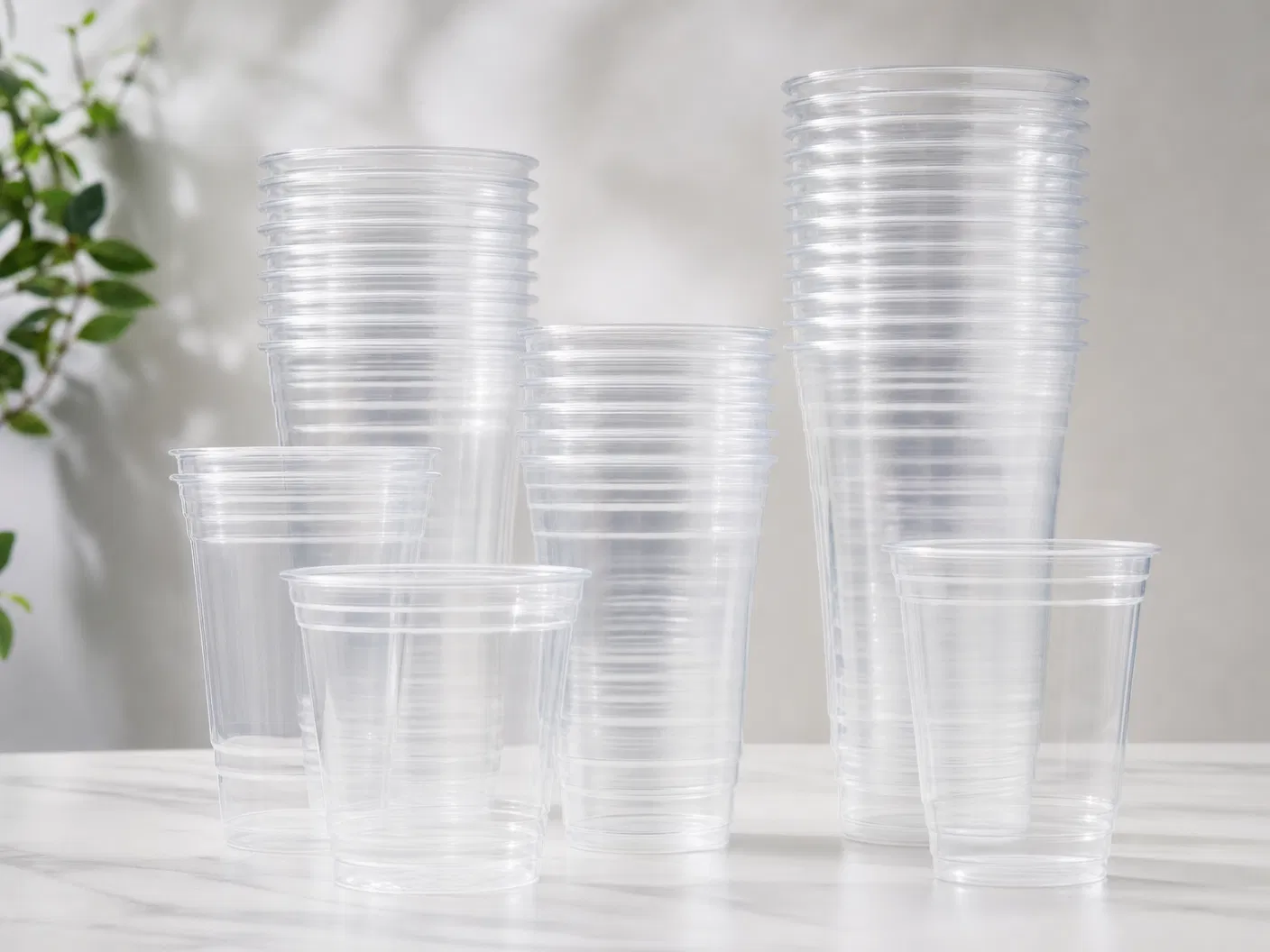
PLA clear cold cups
Fully transparent cups thermoformed entirely from PLA resin — not just coated. The entire cup body is made from plant-based material, making them 100% plant-based and industrially compostable. Ideal for cold drinks, bubble tea, smoothies, and iced beverages where cup clarity matters.
- Entire cup body made from PLA — no plastic components
- Crystal-clear appearance, comparable to PET
- Industrially compostable — completely biodegradable
- Available with dome lids and flat lids
Disposal note: PLA products require industrial composting conditions (above 60 °C) to biodegrade within the certified timeframe. They are not suitable for home composting or standard paper/plastic recycling streams. We recommend clear on-cup labelling to guide correct disposal in your market.
Explore by coating type
Browse our full product range filtered by coating material.
ECO / PLA Coated Cups
Corn-starch PLA lining, industrially compostable. Ideal for markets with composting infrastructure.
View range Aqueous Coated Cups
Water-based barrier, home compostable and recyclable. The most versatile eco option.
View range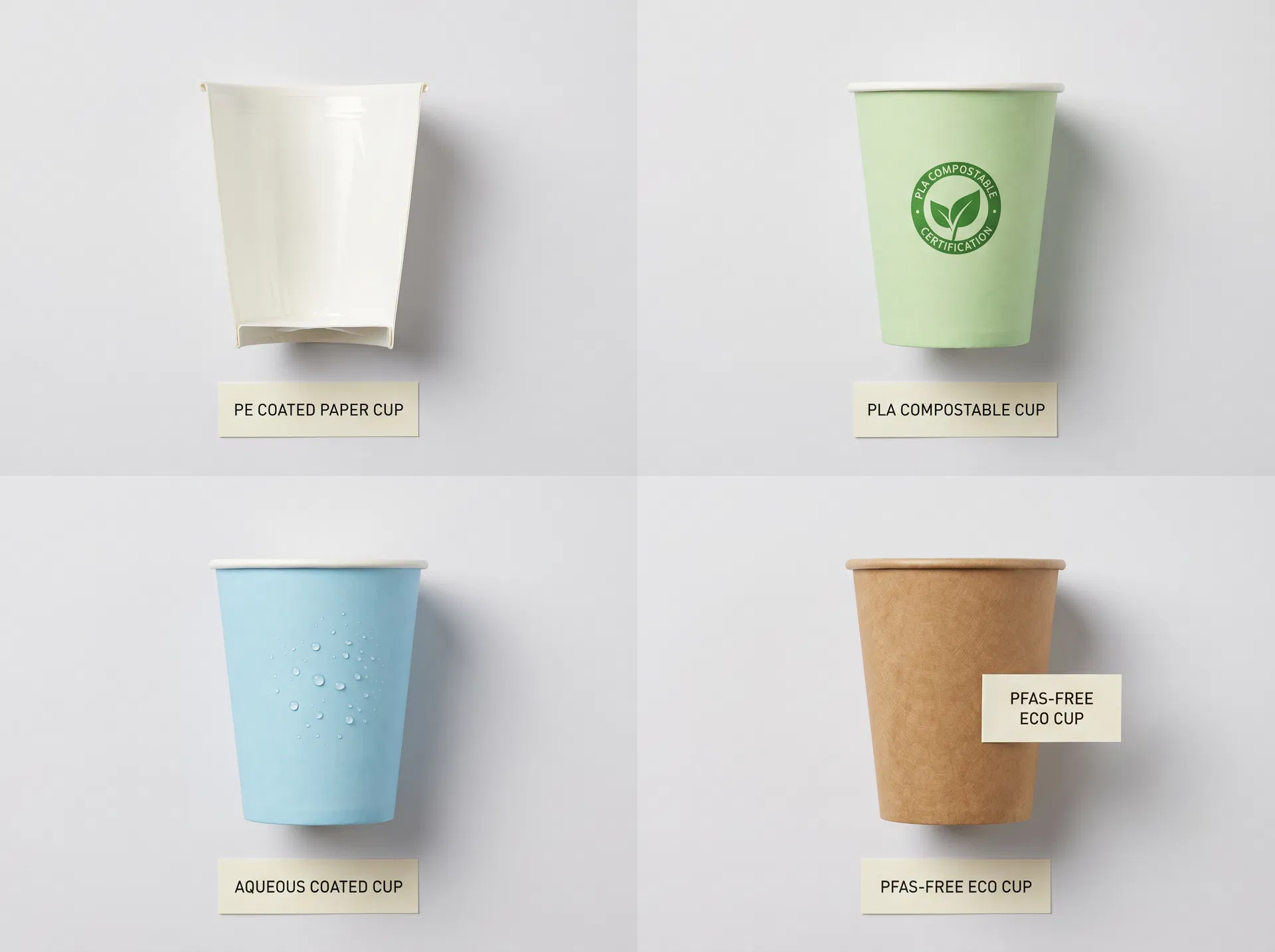
PE Coated Cups
Standard polyethylene lining. Cost-effective for markets without eco mandates.
View range Custom Printing
All coating types available with full-colour flexographic printing from 20,000 pcs.
View rangeCommon questions about eco coatings
Are aqueous-coated paper cups truly biodegradable?
What is the difference between aqueous coating and PLA coating?
Can aqueous-coated cups be recycled in standard paper recycling?
How much does switching to aqueous coating affect the carbon footprint?
Which coating should I choose for hot beverages versus cold beverages?
Can I get custom printing on eco-friendly coated cups?
Ready to switch to eco-friendly packaging?
Request samples of our aqueous or PLA-coated cups, or get a wholesale quote for your next order.